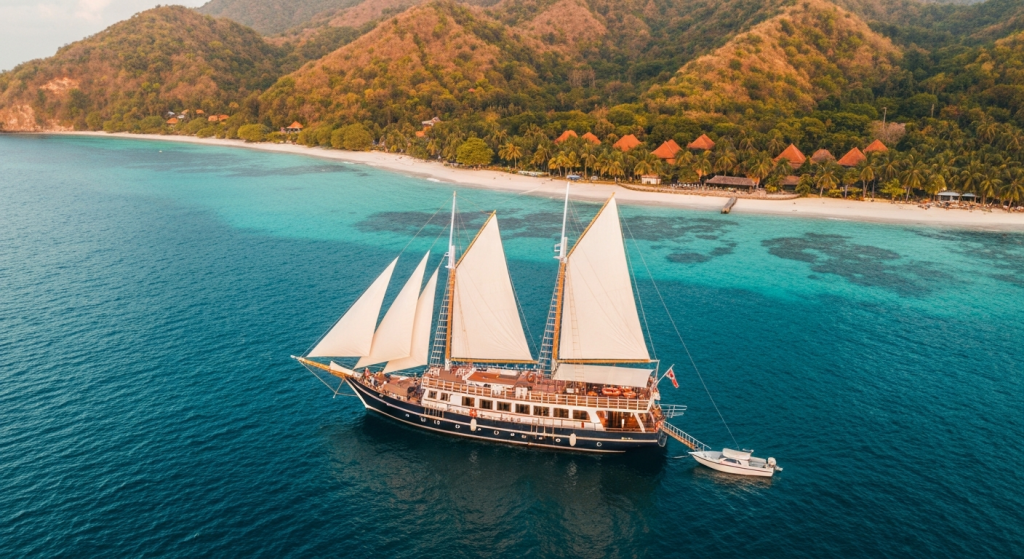
Travelers seeking profound personal transformation in 2026 often consider two distinct retreat formats: the immersive land-based resort and the adventurous liveaboard vessel. A Bali shaman retreat typically operates from a dedicated land resort, offering direct access to Balinese cultural traditions and local healers. These land-based programs often span 4 to 7 days, with mid-tier options costing between $900 and $2,500 per person. In contrast, liveaboards provide spiritual or wellness experiences at sea, often exploring Indonesia’s diverse archipelago. According to data from [indonesia.travel](https://www.indonesia.travel), Bali consistently ranks as a top destination for wellness tourism, attracting millions of visitors annually, with a significant portion seeking spiritual and healing practices.
Defining the Retreat Environments: Land Resorts vs. Liveaboards
A land resort retreat, particularly a Bali shaman retreat, establishes its foundation within the island’s vibrant culture and natural landscapes. These centers often reside in culturally rich areas like Ubud, known for its spiritual community and access to traditional Balinese healers. Programs integrate participants into local life, offering ceremonies at ancient temples or holy springs. A typical 7-day land retreat might include daily Balinese offerings, known as Canang Sari, and sessions with a local Balian (traditional healer). Liveaboard retreats, however, operate on vessels, providing a mobile platform for wellness at sea. These experiences focus on marine environments, often sailing through areas like Komodo National Park or Raja Ampat, which are UNESCO World Heritage sites for their biodiversity. While less common for traditional shamanic work, liveaboards offer solitude and connection with ocean ecosystems, appealing to a niche segment of wellness travelers.
Authenticity and Cultural Immersion: The Core of Bali Shaman Retreats
Authenticity is a primary decision factor for travelers booking a Bali shaman retreat. Land-based retreats provide direct engagement with Balinese spiritual practices and local communities. Participants experience traditional Melukat water purification ceremonies at sacred springs, which are central to Balinese Hinduism. These ceremonies are often led by a Balinese healer, ensuring cultural respect and genuine practice. The Subak system, Bali’s traditional irrigation system and a UNESCO World Heritage site, exemplifies the island’s deep spiritual connection to nature and community, a connection directly accessible from land-based retreats. Liveaboards, by their nature, offer different forms of immersion, focusing on marine life and remote island exploration. While some may incorporate indigenous practices from visited islands, they do not typically provide the consistent, land-rooted cultural depth of a Bali shaman retreat in Bali itself.
Healing Modalities and Program Structure: Comparing Offerings
Land-based Bali shaman retreats offer a structured curriculum focused on specific healing modalities. These often include Balinese healing ceremonies, sound healing, breathwork, and somatic practices aimed at trauma release or nervous system reset. A mid-tier retreat, priced from $900 to $2,500, might incorporate multiple private sessions with a Balian and group workshops. The retreat schedule is typically fixed, with daily activities from morning meditation to evening integration circles. For example, a 7-day program could include 3-4 private healing sessions and daily group yoga or meditation. Liveaboard wellness retreats often emphasize practices like ocean meditation, snorkeling or diving, and yoga on deck. Programs may be less structured around specific cultural healing traditions, instead leveraging the tranquility of the open sea for relaxation and mindfulness. Some liveaboards offer specific modalities like detox programs or marine biology education, but rarely traditional Balinese shamanic work.
Logistics, Comfort, and Budget Considerations: Practical Planning
Logistics for a Bali shaman retreat at a land resort are generally straightforward. Most retreats include airport transfers from Denpasar (DPS) and accommodate participants in boutique villas or dedicated retreat centers, often in Ubud or Canggu. Pricing ranges from entry-tier $350–$900 for 1-3 days to luxury tiers exceeding $2,500–$7,500 for tailored 4-7 day experiences. These prices typically cover accommodation, meals, and all scheduled activities. Liveaboard retreats involve more complex logistics, including specific departure ports and often require domestic flights within Indonesia to reach embarkation points like Labuan Bajo for Komodo. Liveaboard pricing, particularly for premium vessels, can start from $1,500 and extend beyond $5,000 for a 4-7 night trip, often excluding domestic airfare. Solo travelers, who constitute 50-65% of Bali retreat bookers, find the structured environment of a land resort more predictable and accessible.
Target Audience and Transformational Goals: Who Chooses Which?
The audience for a Bali shaman retreat primarily consists of individuals interested in wellness, spirituality, and trauma recovery. These travelers often have prior experience with yoga retreats, breathwork, or meditation, and seek profound personal transformation. They prioritize authenticity and direct engagement with real Balinese healers. Countries like Australia, the United States, and the United Kingdom are top sources for these bookings. Liveaboard retreats appeal to a slightly different segment: those who combine spiritual growth with adventure travel and a deep connection to marine environments. They may seek solitude, unique natural experiences, or a digital detox at sea. While both types of retreats offer a break from daily life, the land-based Bali shaman retreat specifically targets deep cultural immersion and traditional healing, distinct from the ocean-centric experience of a liveaboard.
Post-Retreat Integration and Support: Ensuring Lasting Impact
Effective post-retreat integration is crucial for the lasting impact of any healing experience. Many land-based Bali shaman retreats offer structured support following the program. This might include follow-up virtual sessions, recommended practices for daily life, or access to an online community. These integration services are particularly valuable for participants processing significant emotional or spiritual shifts, such as those experienced during trauma release retreats. A luxury tier retreat, for instance, often includes tailored integration support and 1:1 coaching as part of its $2,500-$7,500+ package. While some liveaboards may offer general wellness advice, the emphasis on ongoing, personalized integration support is more common and logistically feasible within a land-based retreat framework, where the facilitator-participant relationship can extend beyond the physical retreat period. This continued connection supports long-term healing and personal growth.
Choosing between a land resort and a liveaboard for a spiritual or healing retreat depends on individual priorities. For those seeking deep cultural immersion, direct engagement with Balinese traditions, and structured healing modalities like those offered by a Bali shaman retreat, a land-based experience is . These retreats provide access to authentic Balinese healers for ceremonies such as Melukat water purification, and facilitate profound inner work within a supportive community. Programs are transparently priced, with options from 1-day group sessions at $75–$250 to multi-day luxury packages. For detailed program information, including schedules and pricing, please visit our schedule and pricing pages. Our FAQ section addresses common questions regarding authenticity and safety, ensuring a respectful and transformative experience.